Most Scenic Tourist Agency Routes for Nature Lovers in 2025
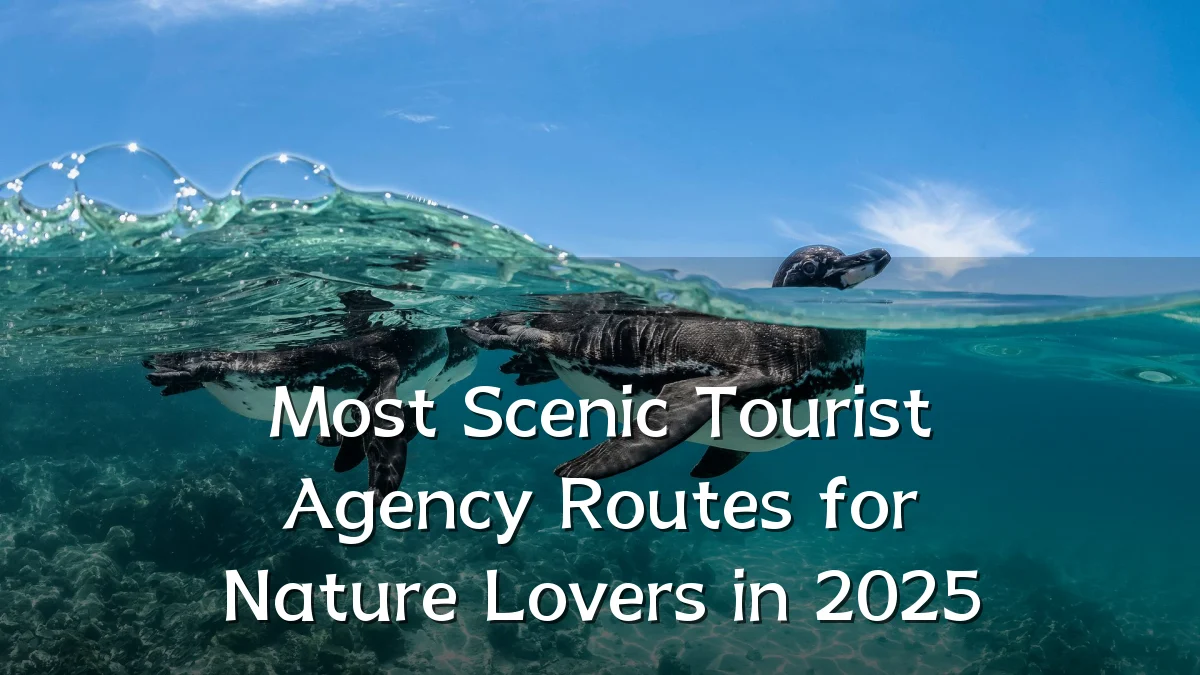
Nature-focused travel continues to attract growing interest as tourists seek immersive experiences beyond standard sightseeing. Tourist agencies are adapting by designing routes that prioritize scenic beauty, minimal environmental disruption, and authentic engagement with landscapes. This analysis examines current developments, underlying factors, traveler concerns, potential outcomes, and emerging directions.
Recent Trends

- Curated itineraries that combine multiple natural landmarks—such as coastal cliffs, alpine meadows, and ancient forests—into single multi-day packages.
- Rise of eco-certified transport options, including electric shuttles and hybrid vehicles, to reduce carbon footprint along routes.
- Small-group touring (typically 6–12 participants) to minimize habitat disturbance and allow flexible stops at scenic viewpoints.
- Increased use of local guides with botanical or ecological expertise, adding educational value to visual appeal.
- Shift toward shoulder-season departures to avoid peak crowds while maintaining favorable weather conditions.
Background
Tourist agencies have long offered nature tours, but the past decade saw a pivot from generic bus tours to specialized, themed routes. This change responded to a broader demand for meaningful travel experiences—driven by social media exposure of remote landscapes and a growing awareness of overtourism. Agencies began collaborating with protected-area authorities and independent lodges to create exclusive access to less-crowded trails and viewpoints. By 2025, many operators have refined their route designs to balance visual drama with logistical reliability, often using data from previous seasons to optimize timing and avoid excessive wait times at popular spots.

User Concerns
- Overcrowding at key viewpoints – Even curated routes can encounter congestion at iconic locations, reducing the serenity nature lovers seek.
- Environmental impact – Travelers worry about wildlife disturbances, waste generation, and trail erosion, especially on routes marketed as “untouched.”
- Value for money – Premium pricing for exclusive routes raises questions about whether the added cost translates to genuinely superior scenery or just convenient logistics.
- Authenticity – Some fear that engineered “scenic” experiences may feel staged or overly sanitized, undermining the raw connection with nature.
Likely Impact
If agencies continue to improve route planning and sustainability measures, the likely outcomes include:
- A measurable shift in tourist flows away from overtaxed national park icons toward lesser-known but equally dramatic landscapes.
- Economic benefits for rural communities that serve as gateways to these routes, encouraging local conservation efforts.
- Greater pressure on agencies to adopt transparent eco-labeling and third-party audits to maintain credibility.
- Possible regulatory push—some regions may cap group sizes or require permits for certain scenic corridors to preserve the experience.
What to Watch Next
- Technology integration – Real-time crowd monitoring apps and augmented-reality field guides may become standard on agency routes, enhancing interpretation without physical infrastructure.
- Emerging destinations – Look for agencies to introduce routes in previously overlooked regions—such as lesser-known rainforests or coastal heathlands—as alternatives to saturated natural landmarks.
- Community-based partnerships – More itineraries will likely involve indigenous or local guides who offer unique perspectives and manage land stewardship directly.
- Longer duration formats – Slow-travel versions (e.g., walking or cycling segments) of classic scenic routes may gain traction, appealing to nature lovers who prioritize depth over distance.